Types of Sushi Fish: The Complete Guide
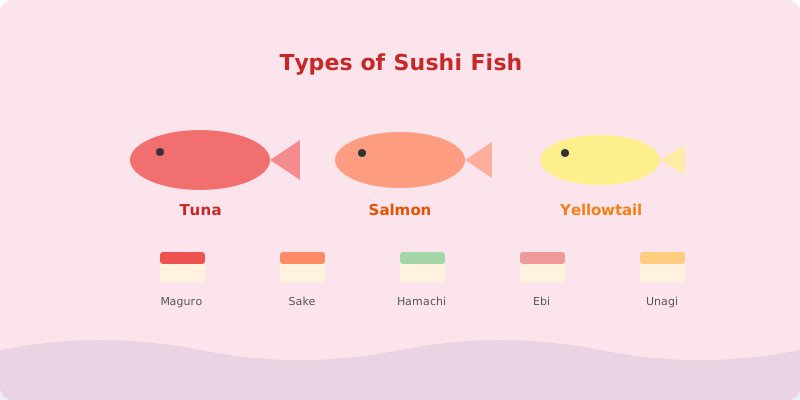
From the deep red of bluefin tuna to the delicate pink of snapper, sushi fish come in an incredible range of flavors, textures, and colors. This guide covers every popular sushi fish you'll encounter, along with their Japanese names, flavor profiles, and safety notes.
Tuna (Maguro)
Tuna is the king of sushi fish and one of the few species that can be safely served fresh without prior freezing (see our safety guide for details).
Bluefin Tuna (Hon Maguro)
The most prized and expensive sushi fish in the world. Bluefin is divided into three cuts based on fat content:
- Akami — The lean, deep red meat from the back of the fish. Clean, meaty flavor with a firm texture. The most common and affordable bluefin cut.
- Chutoro — Medium-fatty belly meat. A beautiful balance of rich flavor and buttery texture. Pink with visible marbling.
- Otoro — The fattiest belly cut. Incredibly rich, melts in your mouth, and commands the highest prices. Pale pink with heavy marbling.
Yellowfin Tuna (Kihada Maguro)
Also known as ahi tuna, yellowfin is more affordable and widely available than bluefin. It has a milder flavor, lighter red color, and slightly firmer texture. Excellent for both sushi and sashimi, and a popular choice for poke bowls.
Bigeye Tuna (Mebachi Maguro)
Similar to yellowfin but with a higher fat content, giving it a richer flavor and softer texture. Often used as a more affordable substitute for bluefin in sushi restaurants.
Albacore Tuna (Binnaga Maguro)
The lightest and mildest tuna variety. Pale pink, almost white flesh with a delicate, subtle flavor. Often served seared (tataki style) with the outside cooked and the inside raw. Very popular in American sushi restaurants.
Salmon (Sake/Sāmon)
Salmon is the most popular sushi fish in the United States and many Western countries. Its rich, buttery flavor and distinctive orange-pink color make it an instant favorite.
- Flavor: Rich, buttery, slightly sweet with a smooth texture
- Color: Orange to deep salmon pink
- Popular preparations: Nigiri, sashimi, maki rolls, and salmon belly (toro sake)
Farm-Raised vs. Wild Salmon
Most salmon served as sushi is farm-raised (primarily Atlantic salmon from Norway, Scotland, or Chile). Farm-raised salmon has a higher, more consistent fat content and is raised in controlled environments that reduce (but don't eliminate) parasite risk. Wild salmon (Pacific varieties like sockeye, king, and coho) has a leaner, more complex flavor but carries a higher parasite risk.
Yellowtail (Hamachi / Buri)
Yellowtail is one of the most popular sushi fish in Japan and increasingly beloved worldwide.
- Hamachi — Young yellowtail (farm-raised), with a mild, buttery flavor and smooth texture. The most common form served in sushi restaurants.
- Buri — Mature wild yellowtail, with a richer, more complex flavor. Seasonal (winter is peak season).
- Kanpachi — Greater amberjack, a related species. Leaner and firmer than hamachi with a clean, slightly sweet flavor.
Shrimp and Prawn (Ebi)
Shrimp is one of the most accessible sushi toppings, served both cooked and raw:
- Ebi — Cooked shrimp, butterflied and draped over rice. The most common preparation, safe for those wary of raw seafood.
- Amaebi — Raw sweet shrimp. Small, pink, and incredibly sweet with a creamy texture. A delicacy in Japanese cuisine.
- Botan ebi — Raw spot prawn. Larger than amaebi, with a firm, sweet flesh. Often served with the head fried as a separate dish.
Squid (Ika)
Squid sushi has a unique, slightly chewy texture and mild, sweet flavor. It's usually scored with thin knife cuts to make it easier to chew. Squid must be frozen before raw consumption to eliminate parasite risk.
Octopus (Tako)
Unlike most sushi toppings, octopus is almost always served cooked (boiled). It has a firm, chewy texture and mild, slightly sweet flavor. The tentacles are sliced thinly and often brushed with a light sauce.
Sea Bream / Snapper (Tai)
Tai (red sea bream) is one of the most celebrated fish in Japanese cuisine and is considered auspicious for special occasions. It has a delicate, clean flavor with a firm, lean texture. White-fleshed and subtle, it's a favorite among sushi purists.
Mackerel (Saba)
Mackerel is a bold-flavored, oily fish that's an acquired taste for some. It's almost always cured in salt and vinegar (shime saba) before being served as sushi. This curing process helps preserve the fish and temper its strong flavor.
Eel (Unagi / Anago)
Eel is always served cooked — never raw. Two types are common in sushi:
- Unagi — Freshwater eel, grilled and glazed with a sweet soy-based sauce (tare). Rich, savory, and slightly sweet. One of the most popular sushi toppings.
- Anago — Saltwater conger eel, lighter and more delicate than unagi. Often simmered rather than grilled.
Other Popular Sushi Fish
| Fish | Japanese Name | Flavor Profile | Served |
|---|---|---|---|
| Fluke / Flounder | Hirame | Mild, delicate, slightly sweet | Raw (frozen first) |
| Scallop | Hotate | Sweet, buttery, tender | Raw or seared |
| Sea Urchin | Uni | Rich, briny, creamy, custard-like | Raw |
| Salmon Roe | Ikura | Salty, briny, pops in mouth | Raw (cured) |
| Flying Fish Roe | Tobiko | Mild, crunchy, slightly sweet | Raw |
| Crab | Kani | Sweet, delicate, tender | Cooked |
| Clam | Akagai | Briny, chewy, ocean-fresh | Raw |
Choosing Fish at a Sushi Restaurant
Not sure what to order? Here are some starting points based on your preferences:
- New to sushi? Start with salmon (sake), cooked shrimp (ebi), or albacore tuna. These are mild, approachable, and widely enjoyed.
- Love rich flavors? Try salmon belly, yellowtail (hamachi), or unagi. These have higher fat content and bolder flavors.
- Adventurous eater? Explore sea urchin (uni), raw sweet shrimp (amaebi), or mackerel (saba) for unique flavors and textures.
- Prefer lean and clean? Go for red snapper (tai), fluke (hirame), or lean tuna (akami). These are delicate and subtle.
Want to make sushi at home? Check our buying guide for where and how to source safe, high-quality fish.