Buying Fish for Sushi: The Complete Guide
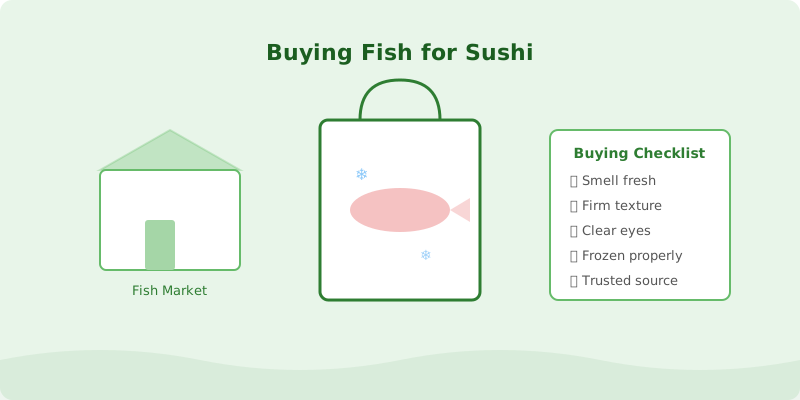
Making sushi at home is one of the most rewarding culinary experiences — but sourcing safe, high-quality fish is the most important step. This guide covers where to buy, what to look for, and how to handle fish for raw consumption.
Where to Buy Fish for Sushi
Not all fish sources are equal when it comes to raw consumption. Here's a breakdown of your options, from best to least ideal:
1. Japanese or Asian Grocery Stores
This is often your best bet. Japanese and Korean grocery stores (like H Mart, Mitsuwa, or Nijiya) typically have:
- Fish specifically intended for raw consumption, clearly labeled
- Higher turnover of sushi-quality fish, meaning fresher stock
- Staff knowledgeable about raw fish preparation
- Pre-cut sashimi blocks ready for slicing
- Previously frozen fish that meets safety guidelines
2. Online Specialty Retailers
Several reputable online retailers specialize in fish for raw consumption. They flash-freeze fish to FDA standards and ship it overnight on dry ice. Advantages include:
- Guaranteed freezing to FDA parasite-destruction guidelines
- Wide selection of species not available locally
- Detailed sourcing and handling information
- Convenient delivery to your door
3. High-End Grocery Stores
Stores like Whole Foods, Wegmans, and similar high-end grocers often carry fish suitable for raw consumption. Look for:
- A dedicated seafood counter with knowledgeable staff
- Fish labeled "previously frozen" — this is actually a good sign for raw consumption
- Clean, well-maintained seafood displays
- The ability to ask about sourcing and freezing practices
4. Local Fish Markets
A trusted local fish market can be an excellent source, but you need to build a relationship and ask the right questions:
- Ask specifically if the fish has been frozen to FDA parasite-destruction guidelines
- Inquire about sourcing — where does the fish come from?
- Look for high turnover — busy markets have fresher fish
- Evaluate their handling practices (see below)
5. Standard Grocery Stores
Regular grocery stores are the riskiest option for sushi-quality fish. The fish at standard grocery counters is typically intended for cooking, not raw consumption. However:
- Frozen fish (sold in the freezer aisle) from reputable brands can be safe if frozen to proper standards
- Some grocery stores are now carrying "sushi-grade" labeled products — but remember, this term is unregulated
- Always ask the fishmonger about freezing history
How to Evaluate Fish Quality
Whether you're at a market or receiving a delivery, use these criteria to evaluate fish quality:
Visual Inspection
- Color: Fish should have vibrant, consistent color. Tuna should be deep red (not brown). Salmon should be bright orange-pink. Avoid fish with discoloration, brown spots, or dull appearance.
- Texture: Flesh should appear firm and moist, not mushy or dried out. When pressed gently, it should spring back.
- Surface: Look for a clean, smooth surface. Avoid fish with a slimy or sticky coating (a sign of bacterial growth).
- Whole fish eyes: If buying whole fish, eyes should be clear and bulging, not cloudy or sunken.
Smell Test
- Fresh fish should smell like the ocean — clean, briny, and mild
- Avoid fish that smells "fishy" — a strong, unpleasant fish odor indicates decomposition
- Ammonia smell is a red flag — this means the fish is well past its prime
- Frozen fish should have minimal smell until thawed
Questions to Ask
| Question | Why It Matters |
|---|---|
| "Has this been frozen?" | Previously frozen fish is safer for raw consumption (parasite destruction) |
| "At what temperature was it frozen?" | Must reach -4°F (-20°C) or below to kill parasites per FDA guidelines |
| "Where is this fish from?" | Sourcing affects quality, sustainability, and safety profile |
| "When did it arrive?" | Fresher arrivals mean better quality and safety |
| "Is this intended for raw consumption?" | Fish handled for raw eating has stricter handling protocols |
How to Handle Fish at Home
Once you have your fish, proper handling at home is critical to maintaining safety and quality.
Thawing Frozen Fish
- Refrigerator thaw (best method): Place the sealed fish in the refrigerator overnight. This maintains a safe temperature throughout the thawing process.
- Cold water thaw (faster): Seal fish in a waterproof bag and submerge in cold water. Change the water every 30 minutes. Fish should thaw in 1-2 hours depending on thickness.
- Never thaw at room temperature — this creates a bacterial growth zone on the surface while the center is still frozen.
- Never thaw in warm or hot water — this cooks the outside and promotes bacterial growth.
- Never refreeze thawed fish — refreezing degrades texture and creates additional safety concerns.
Storage and Timing
- Use thawed fish within 24-48 hours — quality and safety decline rapidly after thawing
- Keep fish at 32-38°F (0-3°C) — colder than standard refrigerator temperature is ideal. Place fish on ice in a container in the coldest part of your fridge.
- Keep fish covered to prevent cross-contamination with other foods
- Prepare fish just before serving — don't slice sashimi hours in advance
Preparation Workspace
- Use a clean, dedicated cutting board — ideally separate from the one you use for meat or vegetables
- Use a sharp knife — a dull knife tears the flesh and degrades quality. A yanagiba (sushi knife) is ideal but a sharp chef's knife works fine.
- Keep hands and utensils clean — wash hands before and after handling raw fish
- Work quickly — minimize the time fish spends at room temperature
How Much Fish to Buy
Planning portions for a sushi dinner at home:
- Sashimi: Plan for 4-6 oz (110-170g) per person as a main course, or 2-3 oz (55-85g) as a starter
- Nigiri sushi: Each piece uses about 0.5 oz (15g) of fish. Plan 8-12 pieces per person.
- Sushi rolls: One roll uses about 2-3 oz (55-85g) of fish and serves 1 person as part of a larger meal
- Variety: Buy 2-3 different types of fish for a more interesting and authentic experience
Red Flags: When NOT to Buy
- 🚩 Fish sitting in liquid or melted ice with no drainage
- 🚩 Strong, unpleasant "fishy" smell at the counter
- 🚩 Discolored or brown patches on the flesh
- 🚩 Staff can't answer questions about sourcing or freezing
- 🚩 Fish displayed at room temperature without ice or refrigeration
- 🚩 Slimy or sticky texture on the surface
- 🚩 Packaging with excessive ice crystals (indicates thaw-refreeze cycles)
Now that you know how to source and handle fish, learn about specific species in our fish types guide, or brush up on safety science in our safety guide.