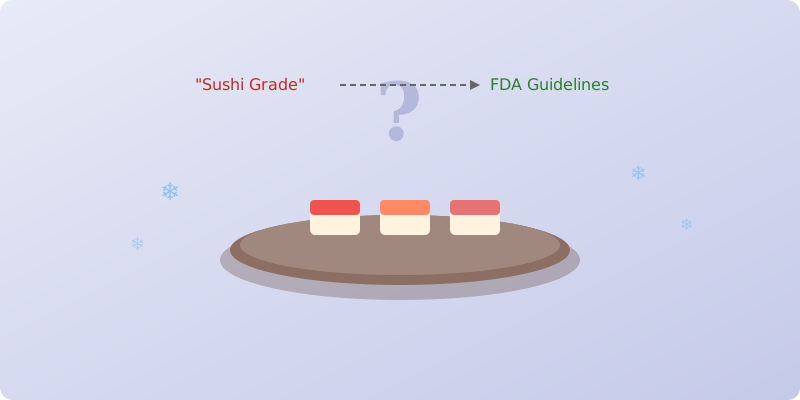
You've likely seen the term "sushi grade" or "sashimi grade" fish in restaurants and grocery stores. But here's the truth: there's no official, regulated standard for this term in the United States. It's a marketing term, not a guarantee of safety.
So what actually makes fish safe to eat raw? It comes down to freezing, handling, and sourcing — not a label. This site is your complete guide to understanding raw fish safety.
Explore Our Guides
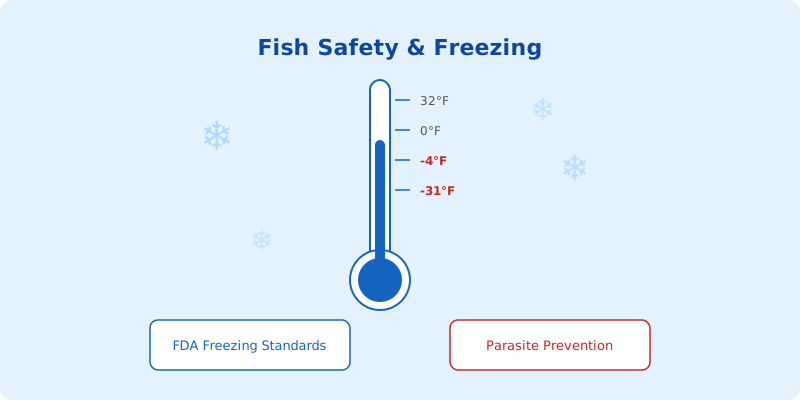
Fish Safety & Freezing
FDA freezing guidelines, parasite prevention, and the science behind making raw fish safe to eat.
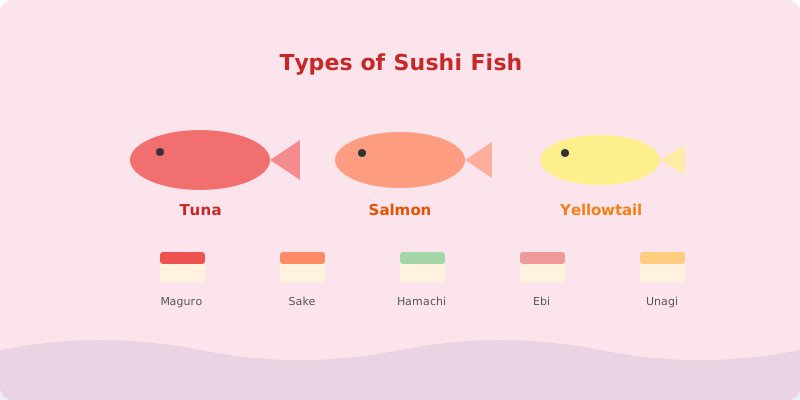
Types of Sushi Fish
From tuna to yellowtail — a guide to every popular sushi fish, its flavor profile, and safety considerations.
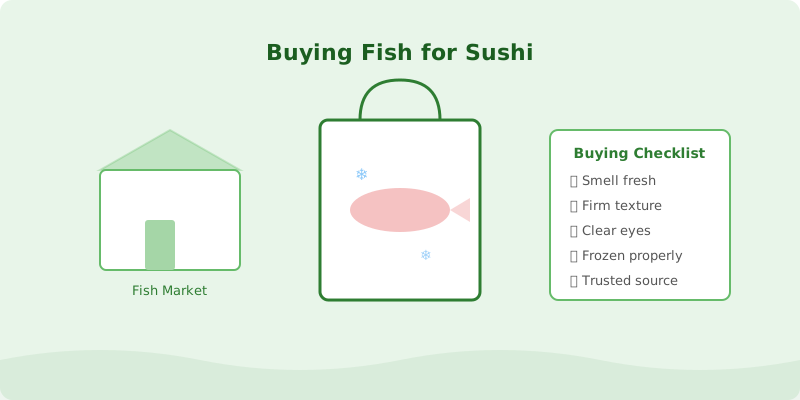
Buying Guide
Where to buy fish for raw consumption, what to look for, and how to evaluate freshness and quality.
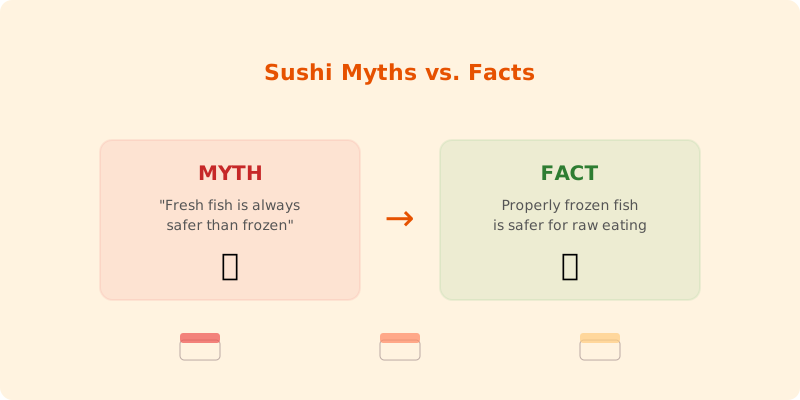
Common Myths
Debunking the most persistent myths about raw fish, sushi safety, and the "sushi grade" label.
Why Freezing Is Essential (Except for Tuna)
The primary concern with consuming raw fish is the risk of parasites. To mitigate this risk, the U.S. Food and Drug Administration (FDA) recommends freezing fish intended for raw consumption.
Here's the key takeaway:
- Freezing Requirements: Most fish intended for raw consumption must be frozen at specific temperatures for a set period to kill parasites. The FDA recommends one of the following:
- -4°F (-20°C) or below for 7 days (168 hours)
- -31°F (-35°C) or below until solid, then stored at -31°F (-35°C) for 15 hours
- -31°F (-35°C) or below until solid, then stored at -4°F (-20°C) for 24 hours
- Tuna Exception: Certain species of tuna — bluefin, yellowfin, bigeye, and albacore — are generally considered safe for raw consumption without freezing due to their physiology and habitat, which makes parasites less likely.
Grocery Store Fish: Frozen Is Often Safer
Contrary to popular belief, buying frozen fish from a reputable grocery store is often a safer option for raw consumption than purchasing "fresh" fish. Here's why:
- Controlled Freezing: Commercially frozen fish is typically frozen quickly and at very low temperatures, adhering to FDA guidelines for parasite destruction.
- Reduced Cross-Contamination: Frozen fish reduces the risk of cross-contamination that can occur with fresh fish handling in grocery store displays.
- Quality Control: Reputable brands have strict quality control measures in place, ensuring the fish is processed and frozen properly.
What to Ask at Sushi Restaurants
Don't be afraid to ask your sushi chef about the fish they use. Inquire about:
- Freezing practices: Ask if the fish has been frozen according to FDA guidelines.
- Sourcing: Inquire about the origin of the fish.
- Handling: Ask about the restaurant's seafood handling procedures.